Mole removal is a common cosmetic and medical procedure undertaken for various reasons, ranging from aesthetic preferences to health concerns. Understanding the timeline of results following mole removal can help manage expectations and ensure proper care throughout the healing process.
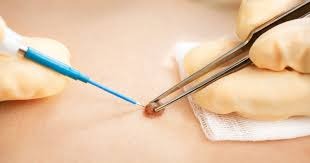
The initial phase begins immediately after the procedure. Depending on the method used—whether excision, laser treatment, or cryotherapy—the immediate aftermath typically involves some degree of redness, swelling, or tenderness around the treated area. This reaction is normal as it indicates that your body is beginning its natural healing process. During this time, it’s crucial to follow any post-procedure care instructions provided by your healthcare professional to minimize infection risks and promote optimal healing.
In the first week following mole thigh wart removal, you might notice scabbing over the site. This stage is critical as it protects the underlying tissue while new skin forms beneath. It’s important not to pick at or disturb these scabs; doing so could lead to scarring or even infection. Keeping the area clean and moisturized according to your doctor’s recommendations will support this delicate phase.
By weeks two to three, most people observe significant improvements in their skin’s appearance where the mole was removed. The initial swelling should have subsided considerably by now, and any discomfort usually diminishes substantially during this period. At this point, if stitches were used during an excisional biopsy or surgical removal, they are often ready for removal based on your physician’s guidance.
As you move into weeks four through six post-removal, further changes occur at a more subtle level beneath the surface of your skin. Collagen production increases as part of wound repair processes which helps strengthen newly formed tissue in place of where moles once existed. Although externally visible signs like redness continue fading gradually over time during these weeks too – patience remains key since complete resolution varies individually depending upon factors such as age & overall health status alongside specific procedural details involved initially!
Three months downline sees most individuals experiencing near-complete recovery with minimal residual evidence left behind unless complications arose earlier requiring additional interventions along respective journeys towards achieving desired outcomes ultimately sought out originally!