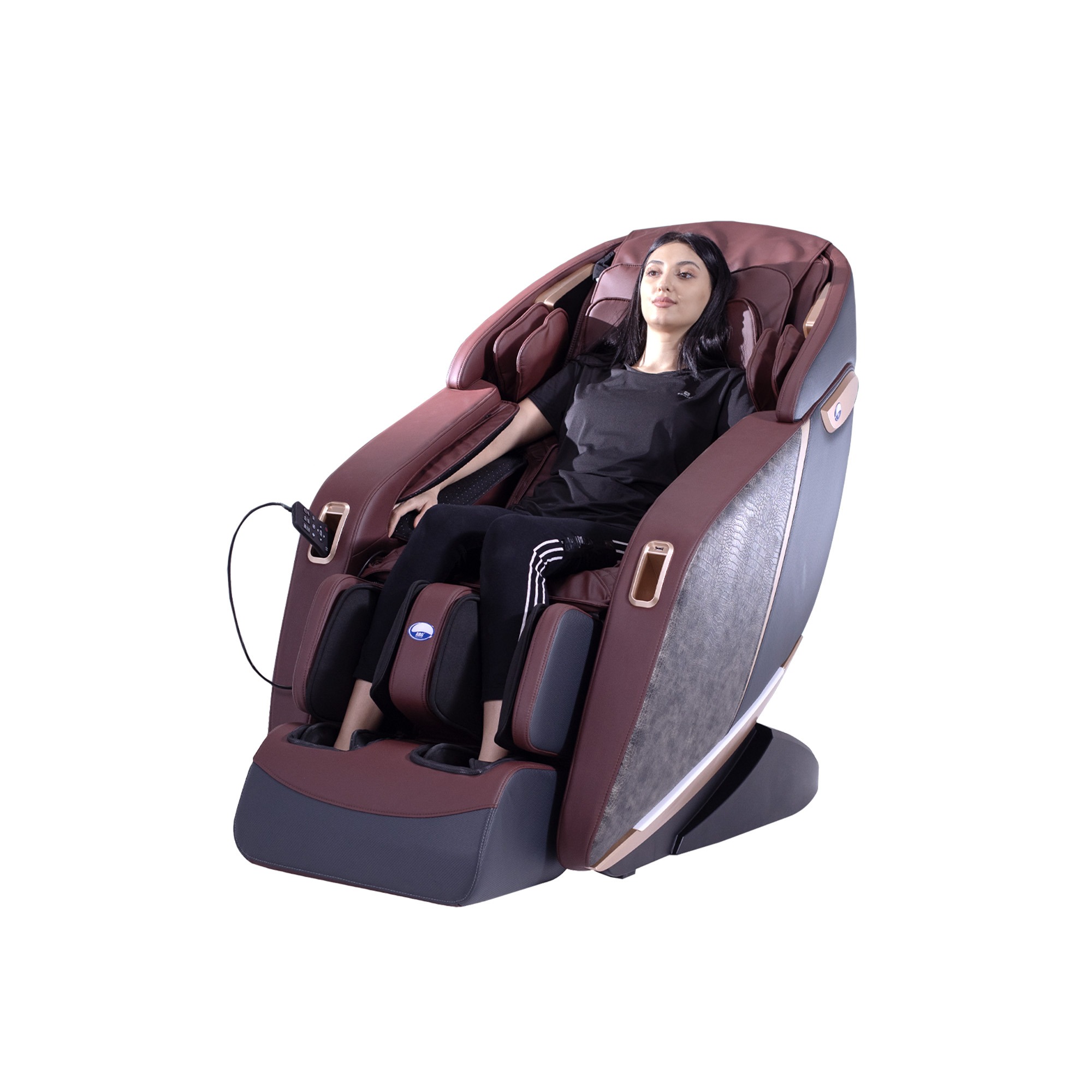
Massage chairs have become increasingly popular as a convenient way to relax and relieve muscle tension at home. Many people wonder whether these devices can also aid in the recovery of mild muscle injuries. Understanding how massage chairs work and their potential benefits for muscle injuries is essential before incorporating them into your healing routine.
Mild muscle injuries, such as strains or minor sprains, often result from overstretching or overuse of muscles. These injuries typically cause discomfort, stiffness, and limited mobility but do not involve severe tissue damage. The primary goals in managing mild muscle injuries include reducing pain, promoting blood circulation, and encouraging faster healing through gentle movement and relaxation.
Massage chairs are designed to mimic the techniques used by professional masseurs, including kneading, rolling, tapping, and vibration. These actions help stimulate blood flow to affected areas while loosening tight muscles. Improved circulation is crucial because it delivers oxygen and nutrients necessary for tissue repair while helping remove metabolic waste products that accumulate during injury.
For individuals with mild muscle injuries, using a massage chair reviews may provide several advantages. First, the gentle massaging motions can reduce muscle stiffness and alleviate pain by relaxing contracted fibers around the injured site. This relaxation effect may enhance comfort levels without requiring medication or invasive treatments. Second, increased blood flow facilitated by the chair’s mechanisms supports quicker recovery by accelerating nutrient delivery to damaged tissues.
However, it is important to approach massage chair use cautiously when dealing with any injury. While these devices offer therapeutic benefits for mild conditions, they should not be applied directly over acute inflammation or severe trauma areas where swelling or bruising are present. Excessive pressure on inflamed tissues can worsen symptoms rather than improve them.
Before using a massage chair for a mild muscle injury, consulting a healthcare professional is advisable to ensure it suits your specific condition. They can recommend appropriate settings on the device-such as intensity level-and advise on duration limits per session to avoid overstimulation that might delay healing.
In addition to mechanical stimulation from massage chairs, combining other supportive measures like rest periods, gentle stretching exercises once pain decreases, hydration intake, and proper nutrition will optimize recovery outcomes.
In summary, massage chairs can be helpful tools in managing mild muscle injuries by promoting relaxation and enhancing circulation when used appropriately under guidance. They offer an accessible option for pain relief that complements traditional treatment methods but should never replace medical advice or care especially if symptoms persist or worsen over time.